
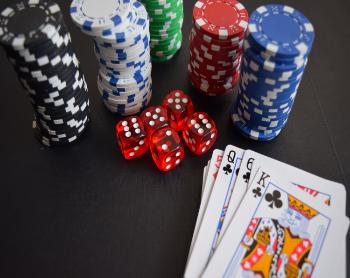
I spent almost twelve years working graveyard shifts as a floor supervisor at a riverfront casino in the Midwest, mostly around baccarat pits and high-limit slot areas where people either whispered quietly or lost control completely. The public image of casinos never really matched what I saw during those long nights. Most people imagine loud celebrations and dramatic wins, but the reality usually looked more tired than glamorous. I still enjoy certain parts of casino culture, though I look at it differently now than I did when I first started.
The Players I Remember Most
The people who stayed with me were rarely the biggest spenders. One regular used to arrive every Friday evening wearing the same faded leather jacket and carrying a notebook filled with slot machine observations that honestly made little mathematical sense. He would play small amounts for hours, order coffee after coffee, and treat the casino more like a social club than a gambling venue.
I watched another guest walk away after hitting a sizable jackpot one winter weekend. He looked almost disappointed. That surprised me at the time because the amount would have changed things for most people I knew. Later I realized some players were not really chasing money anymore. They were chasing relief, distraction, or simply a feeling that something unexpected could still happen.
Casino floors change personalities throughout the night. Around dinner time, people laugh louder and spend more casually. By two in the morning, the atmosphere tightens. Chips hit the felt harder. Conversations get shorter. I learned more about human behavior during those overnight shifts than I ever did in school.
One detail still stands out. The quiet players usually lasted longer. The loud ones burned through money fast. That pattern repeated itself for years.
How Online Casinos Changed the Habit
When I first started in casino operations, online gambling barely came up in conversations between staff members. A few years later, nearly every younger guest compared table games to apps and websites they used at home. Some players preferred online platforms because they could set smaller budgets and leave without the social pressure that builds inside a busy casino room.
I remember a customer last spring telling me he mostly played through umi55 because he liked checking games during short breaks at work instead of driving across the state to gamble in person. He said the convenience actually made him more careful with spending because he no longer treated casino trips like expensive events that needed to feel worthwhile. That made more sense to me than some of the marketing language casinos push about luxury and excitement.
Physical casinos still attract people who want atmosphere. You cannot replicate the sound of chips moving across a blackjack table or the strange silence that falls over a crowded roulette wheel before the ball lands. Online systems are faster, though. Sometimes too fast. I have seen people lose several hundred dollars online before they fully processed how quickly the bets were stacking together.
There is also less friction online. In a real casino, walking to an ATM, standing in line, or physically handing over cash creates little pauses that sometimes cool people down. Digital gambling removes many of those pauses. Some players handle that responsibly. Others do not.
The Strange Psychology Around Winning
The biggest misconception outsiders have is thinking casinos mainly survive because players lose badly every night. Consistent smaller losses are far more common than dramatic collapses. Most casinos rely on people staying comfortable long enough to keep playing. A customer who loses modestly over several visits is more valuable than someone who blows through a paycheck once and never returns.
I once sat with a man after security escorted him out for yelling near a roulette table. He had actually won money overall that night. The problem was he had briefly been ahead by much more earlier in the evening. That missing amount haunted him more than the profit he still carried home. I saw versions of that reaction constantly.
People remember near misses vividly. Slot designers understand this well. A machine stopping one symbol away from a jackpot feels emotionally different from a complete miss even though mathematically the result is identical. Casino veterans know that reaction never fully disappears, even for experienced players.
There were nights where I walked the floor for eight straight hours and barely heard genuine happiness. Relief, yes. Excitement, definitely. Real satisfaction was rarer than most advertisements suggest.
What Casino Employees Quietly Notice
Most casino workers develop strong instincts about guests after enough time on the floor. Dealers notice betting patterns. Bartenders notice mood shifts. Security teams can often predict arguments before voices even rise. The building runs on observation more than people realize.
I learned to pay attention to pacing. Fast betting often meant trouble later. Someone calmly playing low stakes for three hours rarely caused issues. Someone doubling wagers every few minutes usually spiraled emotionally before the night ended. The money mattered less than the rhythm.
One holiday weekend, we had a guest who bounced between craps, poker, and slots while carrying around a bucket full of promotional vouchers. He was convinced he had discovered a hidden system connected to machine placement on the casino floor. Staff members hear theories like that constantly. Casinos are built to encourage patterns people think they can decode.
Break rooms told a different story than the gaming floor. Dealers swapped stories about strange superstitions they witnessed every shift. Some players refused to touch certain dice. Others believed specific seats carried luck. A few guests left machines immediately after someone sneezed nearby. After enough years, even rational people stop being surprised by rituals.
The hours were rough. Four in the morning felt endless. Yet those shifts showed me how people behave when excitement, stress, alcohol, and money mix together in one room.
Why I Still Visit Casinos Occasionally
I still step into casinos a few times a year, though my habits changed completely after working inside one for so long. I set a fixed amount before I arrive and treat it like entertainment spending instead of investment money. Once it is gone, I leave. No exceptions.
Poker remains the only game I genuinely enjoy because other players influence the outcome more than the house does. The conversations around poker tables can also be surprisingly honest late at night. People talk about divorces, business failures, old jobs, and family problems while shuffling chips absentmindedly between hands.
Slot machines never held much appeal for me personally. After hearing the same machine sounds echo through massive gaming halls for years, I mostly associate them with exhaustion and stale coffee. Table games at least involve interaction. You remember faces. You remember strange moments.
A younger coworker once asked me if casinos are rigged. I told him the simpler truth. Casinos do not need to cheat because the structure already favors them over time. Most long-term players eventually learn that lesson, though many learn it the expensive way.
I still understand why people go. Casinos compress emotion into short bursts unlike almost anywhere else. For a few hours, normal routines disappear and small decisions suddenly feel dramatic. Some people can enjoy that feeling casually. Others keep chasing it long after the fun part fades. I saw both kinds every single week.